Barcelona’s higher tourist tax is not just a money issue. It is a sign that one of Europe’s most visited cities is trying to reset its relationship with visitors. As of April 1, 2026, Catalonia doubled the regional tourist tax in Barcelona. In luxury hotels, the regional part is now €7 per person per night, and in four-star hotels it is €3.40. This is separate from Barcelona’s own municipal surcharge, which rose to €4 on October 1, 2024. The new law also allows the city to raise that local surcharge from €4 to €8, and Barcelona had already approved yearly €1 increases aimed at reaching €8 in 2029. The Catalan law says 25% of the revenue will go to housing policies, while 75% will go to the Tourism Promotion Fund. (catalannews.com)
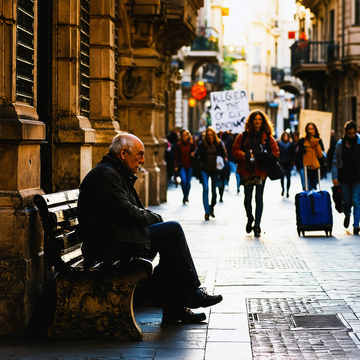
The background is clear: overtourism is no longer an abstract debate. Barcelona’s city government says tourist-tax revenue is being used for services that face heavy pressure from visitors, such as cleaning, security, lighting, transport, and the management of crowded areas. Its 2024–2027 tourism plan also includes tougher action on illegal tourist accommodation, more control of tourist coaches, and stronger protection for high-affluence spaces. Public frustration has been visible too. On June 15, 2025, protesters in Barcelona used water guns against tourists during a demonstration linking mass tourism to the housing crisis and the loss of local identity. (ajuntament.barcelona.cat)
For travelers, the lesson is simple: in the age of overtourism, paying the tax is the minimum, not the whole answer. The bigger question is how you behave after you arrive. A respectful visitor chooses legal accommodation, keeps noise down at night, avoids treating residential streets like theme parks, and remembers that local people are not part of the scenery. Barcelona’s new tax policy suggests a new travel ethic: the best tourists are not just those who spend money, but those who make the city easier to live in. (ajuntament.barcelona.cat)