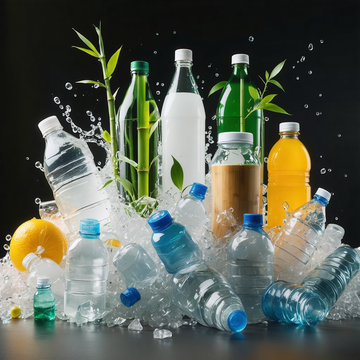
On May 1, 2026, California’s new packaging rules officially took effect. They are part of SB 54, a 2022 law designed to cut plastic pollution by making producers, not only local communities, responsible for the waste created by single-use packaging and plastic food service ware. CalRecycle says the rules became effective immediately after approval by the Office of Administrative Law. (calrecycle.ca.gov)
Why does this matter? Because packaging is a huge part of California’s trash problem: CalRecycle says it makes up more than 50% of what is dumped in the state’s landfills by volume. Under SB 54, producers must work toward three major goals by 2032: reduce single-use plastic by 25%, make 100% of covered packaging recyclable or compostable, and reach a 65% recycling rate for single-use plastic packaging and food service ware. (calrecycle.ca.gov)
The 25% cut is especially interesting because it is not meant to happen only by using a little less plastic in each package. CalRecycle says nearly half of the reduction should come from removing plastic entirely and shifting to reuse or refill systems. The state has also set step-by-step targets: 10% less single-use plastic by 2027, 20% by 2030, and 25% by 2032. Producers had until June 1, 2026, to register with Circular Action Alliance, apply to comply on their own, or request a small-producer exemption. (calrecycle.ca.gov)
So, can California really reduce single-use plastic by 25%? The goal is ambitious, but it is no longer just a promise on paper. The regulations are now active, Circular Action Alliance has been approved as the first producer responsibility organization, and companies must begin reporting data. California has already shown it can be strict: expanded polystyrene food containers and cups are barred from sale in the state because producers did not prove a 25% recycling rate by January 1, 2025. That suggests the state is serious, but real success will depend on how fast businesses redesign packaging and how well reuse, collection, and recycling systems improve in everyday life. (calrecycle.ca.gov)