In the latest available data, the mood of American consumers has become extremely dark. In the University of Michigan’s preliminary survey for April 2026, the consumer sentiment index fell to 47.6, down from 53.3 in March. That was a drop of about 11% in just one month, and news reports on the survey described it as a record low. The expectations index, which reflects how people feel about the future, also fell sharply to 46.1. (sca.isr.umich.edu)
The main reason seems to be fear of inflation. In the same survey, expected inflation for the next year jumped from 3.8% in March to 4.8% in April. Joanne Hsu, the survey’s director, said many consumers blamed the Iran conflict for negative changes in the economy, and she noted that 98% of interviews were completed before the April 7, 2026 cease-fire announcement. That means people were already deeply worried before they could see whether the situation would calm down. (sca.isr.umich.edu)
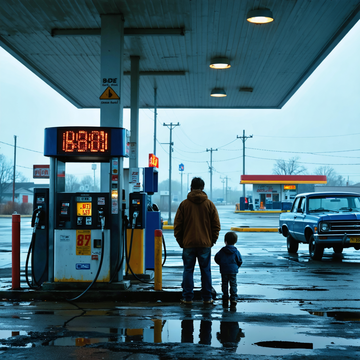
Official price data helps explain these fears. The U.S. Consumer Price Index rose 3.3% in the 12 months through March 2026, and it increased 1.0% in a single month. Energy was the biggest shock: the energy index jumped 10.9% in March, while gasoline surged 21.2%, the biggest monthly rise since that series began in 1967. For ordinary families, higher gas prices are impossible to ignore, so inflation suddenly feels real again when they fill up their cars. (bls.gov)
This matters because confidence can shape behavior. If people expect prices to keep rising, they may delay big purchases, worry more about their savings, and cut spending on non-essential items. AP reported that economists are watching for exactly this risk: if Americans spend less because fuel and other costs stay high, the economy could slow further. In short, consumer sentiment is not just a feeling. It can become part of the economic story itself. (apnews.com)