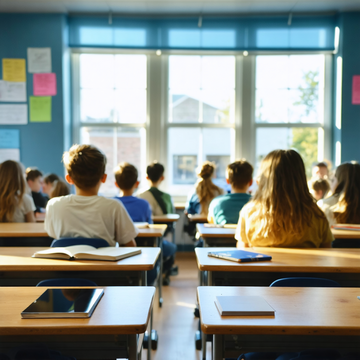
Around the world, more schools are saying, “No smartphones in class.” UNESCO says that by the end of 2024, 79 education systems had laws or policies banning smartphones in school. That is about 40% of the world. UNESCO also says technology should be used in class only when it clearly supports learning. (unesco.org)
France was an early example. A 2018 law banned phones in kindergartens, elementary schools, and middle schools, with some exceptions such as disability needs. Now Latin America is moving in the same direction. Brazil’s national law was signed on January 13, 2025, and applies to public and private schools. Phones are still allowed there for lessons, health, and accessibility needs. Chile passed a bill in December 2025 to stop smartphone use during class in elementary and middle schools, with exceptions for emergencies and educational use. Bolivia began its classroom ban on February 2, 2026, asking students and teachers to keep phones in lockers or bags. (loc.gov)
Why is this happening? The OECD’s PISA 2022 study found that about 30% of students across OECD countries said digital devices distracted them in most or every math lesson. Students who often felt distracted scored lower in math. But the OECD also gives a warning: bans are not a perfect answer. Even in schools with phone bans, many students still said they used smartphones at school. This means rules matter, but schools also need good enforcement and smart teaching. (read.oecd-ilibrary.org)
The trend suggests that many countries want school time to be calmer, more focused, and more social. Phones can help learning in some situations, and some students need them for health or accessibility reasons. Still, many governments now seem to believe that students also need time to look up from screens, talk face to face, and pay attention to the people in front of them. (unesco.org)