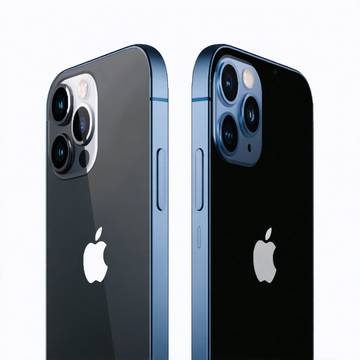
In March 2026, Apple introduced the iPhone 17e as the most affordable model in the iPhone 17 family. It brings several features that used to feel more “premium,” including the A19 chip, a 48MP camera system, MagSafe, and 256GB of storage in the base model. Apple said pre-orders began on March 4 and availability started on March 11. In the U.S., the phone starts at $599. (apple.com)
That price is one reason the phone is getting so much attention. The previous iPhone 16e, announced in February 2025, also started at $599, but its base model began with 128GB and used the older A18 chip. In other words, Apple kept the same starting price while giving buyers more storage and a newer processor. That makes the iPhone 17e feel less like a “cheap iPhone” and more like a strong everyday choice. (apple.com)
Apple is not alone in this market. Google’s Pixel 9a starts at $499 in the U.S. and offers a Tensor G4 chip, a 6.3-inch display with a 60-120Hz refresh rate, a 48MP main camera, a 13MP ultrawide camera, a 5,100mAh battery, and seven years of software and security updates. Samsung’s Galaxy S25 FE starts at $649.99 before trade-in and includes the Exynos 2400 processor, a 6.7-inch display with up to 120Hz, a 4,900mAh battery, 45W wired charging, and up to seven generations of OS upgrades. (store.google.com)
This competition shows an important change in the smartphone world. Buyers now expect more than a low price. They want speed, good cameras, AI tools, long battery life, and years of updates. The iPhone 17e is Apple’s answer to that demand, but Google and Samsung are pushing hard too. For consumers, that is great news: “affordable” no longer means “weak.” In 2026, it often means smart value. (apple.com)