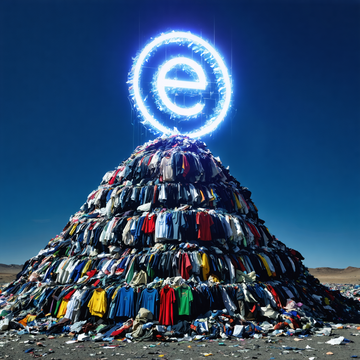
For years, one of the hidden problems of fast fashion has been simple: when too many clothes are made and not enough are sold, some items are destroyed. In the European Union, that practice is now facing a real legal challenge. On 9 February 2026, the European Commission adopted detailed rules under the Ecodesign for Sustainable Products Regulation to stop the destruction of unsold apparel, clothing accessories, and footwear. The ban will apply to large companies from 19 July 2026, and to medium-sized companies from 19 July 2030. Micro and small businesses are exempt for now. (environment.ec.europa.eu)
The reason is clear. According to the Commission, an estimated 4% to 9% of unsold textiles in Europe are destroyed before anyone wears them. That waste is linked to about 5.6 million tonnes of CO2 emissions, almost the same as Sweden’s total net emissions in 2021. The new EU system does more than ban destruction. Companies must also disclose information about unsold consumer goods they throw away, using a standard format that will apply from February 2027. In other words, waste will become harder to hide. (environment.ec.europa.eu)
There is also an important detail: under the EU rules, “destruction” includes intentionally discarding products even for recycling, unless the goods are being prepared for reuse, such as refurbishment or remanufacturing. That means brands are being pushed toward better solutions like resale, donation, reuse, and smarter stock management, not just turning old stock into waste in a different form. This will not end fast fashion overnight, but it is likely to make overproduction more expensive, more public, and less acceptable. (environment.ec.europa.eu)
France has already gone further. Under its anti-waste law, the country ended the incineration and landfilling of unsold non-food products, requiring reuse first and recycling only if reuse is impossible. These rules started in 2022 for some products and by the end of 2023 for others. In March 2026, France even asked to keep stricter national measures, including applying them to medium-sized firms before the EU’s 2030 deadline. So the message from Europe is growing louder: making mountains of cheap clothes is one problem, but destroying them in silence is no longer acceptable. (ecologie.gouv.fr)