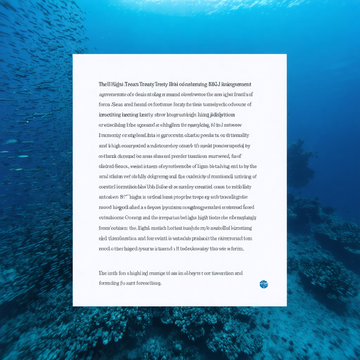
On 17 January 2026, the UN High Seas Treaty—formally the BBNJ Agreement—entered into force, becoming the first comprehensive, cross-sectoral ocean treaty in decades. It applies to marine biodiversity in areas beyond national jurisdiction, the vast expanse of ocean outside national waters that makes up nearly two-thirds of the sea. According to the current UN Treaty Collection status page, the agreement now has 86 parties. (un.org)
So what will it actually change? Most importantly, it gives the world a legal framework to protect life on the high seas instead of treating those waters mainly as open space for extraction and transit. The treaty covers four major areas: marine genetic resources and benefit-sharing; area-based management tools such as marine protected areas; environmental impact assessments; and capacity-building plus the transfer of marine technology. In practical terms, that means countries can now build common rules for creating protected zones, require closer scrutiny of activities that may damage fragile ecosystems, and push for fairer access to scientific knowledge and economic benefits from discoveries made in international waters. (un.org)
Still, the treaty will not transform the ocean overnight. Entry into force is a legal milestone, not the end of the story. Institutions, financial rules, and operating procedures are still being prepared, and the UN’s Preparatory Commission is scheduled to hold its third session from 23 March to 2 April 2026 to work on those details before the first Conference of the Parties. In other words, the agreement has changed the direction of ocean governance immediately, but the visible ecological results will depend on how quickly governments turn promises into protected areas, monitoring systems, funding, and enforcement. (press.un.org)
That is why this treaty matters. The biggest part of the ocean has long belonged to everyone and, in practice, to no one. The BBNJ Agreement does not make the high seas simple, but it finally makes them governable in a new way: not only as a space of freedom, but as a shared living system that must be conserved for the long term. (un.org)