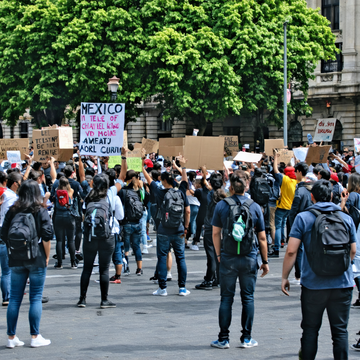
In Mexico City, the fight against overtourism has returned to the streets. On February 27, 2026, activists marched to the city’s Tourism Secretariat to protest “touristification” and gentrification ahead of the 2026 FIFA World Cup, which will open in Mexico City on June 11. Protesters said that rents in central and southern neighborhoods were rising and that even water costs were becoming harder for local residents to bear. (reutersconnect.com)
This anger did not appear overnight. In 2022, Airbnb, UNESCO, and the Mexico City government announced a partnership to promote the capital as a hub for remote workers, while Airbnb said long-term stays in the city had grown by more than 30% in the second quarter of 2022 compared with the same period in 2019. For many residents, that strategy helped turn neighborhoods such as Roma and Condesa into global hotspots for digital nomads, but also pushed housing further out of reach for local people. AP has reported that many Mexicans link today’s housing pressure to that earlier effort to attract remote workers and short-term visitors. (news.airbnb.com)
The political response has been mixed. After major anti-gentrification protests in July 2025, some of which turned violent, President Claudia Sheinbaum and Mexico City officials condemned xenophobic slogans against foreigners. At the same time, Mayor Clara Brugada announced a plan to stop landlords from raising rents above inflation, and her government later launched public forums under “Bando 1,” a package of anti-gentrification measures that includes tenant protection, “reasonable rent” ideas, and tighter oversight of short-term stays. (apnews.com)
Mexico City has already moved to regulate the short-term rental market. In October 2024, the city congress approved a reform setting a maximum annual occupancy rate of 50% for properties listed on digital platforms, effectively limiting them to about 180 nights a year. Still, with the World Cup expected to bring millions of extra visitors to Mexico, many residents remain skeptical that regulation alone will protect their communities. (congresocdmx.gob.mx)
Can digital nomads and local residents coexist? Probably yes—but only if visitors remember they are living in someone else’s home city, not just renting a cheaper lifestyle, and only if the government truly enforces housing rules instead of treating them as promises for later. Mexico City’s latest protests show that hospitality has limits when local people feel they are being priced out of their own future. (reutersconnect.com)