On March 12, 2026, the Pritzker Architecture Prize named Chilean architect Smiljan Radić Clarke its 55th laureate. The jury did not celebrate him for flashy forms or giant landmarks. Instead, it honored an architect whose buildings can seem fragile, unfinished, or temporary, yet still offer protection, warmth, and wonder. Radić has described architecture as existing between long-lasting monuments and delicate structures that may seem almost brief by comparison. That tension helps explain why his work feels both timeless and surprisingly fresh. (pritzkerprize.com)
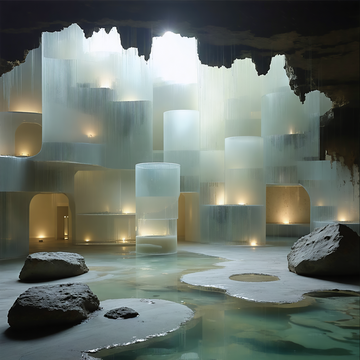
So what does “feeling architecture” mean here? For Radić, a building is not only something to admire in a picture. The Pritzker jury says his work asks for “embodied presence” — in other words, people must experience it with their whole body. Light, sound, weight, texture, and even the weather matter. His 2014 Serpentine Pavilion in London used a translucent shell placed on large stones, creating shelter without fully separating visitors from the park. At his home-studio in Santiago, rain, sound, and changing light are allowed into everyday life instead of being completely shut out. (pritzkerprize.com)
This idea also appears in his larger public projects. Teatro Regional del Biobío in Concepción uses a semi-translucent outer skin to soften light and support acoustic performance. NAVE, a performing arts center in Santiago, keeps a historic house damaged by disaster and adds new spaces for rehearsal, workshops, and events. In both cases, architecture is not just about appearance. It shapes mood, memory, and human activity over time. (pritzkerprize.com)
For English learners, Radić’s award offers a useful lesson: the word feel is not only about emotion. It can also mean physical experience, atmosphere, and human connection. The 2026 Pritzker Prize seems to ask a powerful question: should architecture only impress our eyes, or should it quietly change how we live and sense the world? Radić’s answer is clear. The most meaningful buildings are not only seen. They are felt. (pritzkerprize.com)