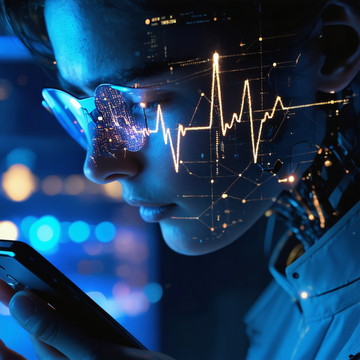
A new study published in Nature on June 1, 2026 suggests that your smartphone might one day check your heart rate while you use it normally. The system, called passive heart-rate monitoring (PHRM), uses the phone’s front camera to record an 8-second video of your face after the screen is unlocked. Then, a deep-learning model estimates heart rate by detecting tiny color changes in the skin that happen as blood moves through the face. (nature.com)
This idea is exciting because resting heart rate is an important sign of cardiovascular health, but many people do not own or regularly use smartwatches or other wearables. Smartphones are much more common, so researchers believe they could make heart-health tracking available to more people. In the study, the team developed the system with 192,353 videos from 485 participants and validated it with 162,546 videos from 211 participants in both laboratory and real-world conditions. (nature.com)
The results were strong. According to the researchers, the system met industry accuracy standards for consumer heart-rate monitors across all skin-tone groups, which is important because earlier camera-based systems often worked less well for people with darker skin. Google Research also reported that the system’s estimate of daily resting heart rate was within 5 beats per minute of a wearable tracker. (nature.com)
Still, this is a research system, not a finished product. The paper says privacy is a major issue: participants gave clear consent, videos were first saved on the device, and people reviewed clips before upload. The authors also note some limits. Measurement success was lower in the darkest skin-tone group, and talking, motion, low light, or very short phone use could reduce performance. Future versions may need secure on-device processing and strong face authentication. (research.google)
In short, this research shows a future where a simple glance at your phone could quietly reveal useful information about your health. It is not ready to replace medical care, but it is a fascinating example of how everyday technology may become a health tool. (nature.com)