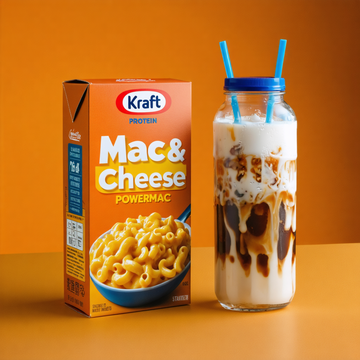
In the U.S., protein is no longer just for gym fans and bodybuilders. It is moving into everyday comfort food. A clear example is Kraft Mac & Cheese PowerMac, a new version of the famous boxed meal. According to Axios, it has 17 grams of protein and 6 grams of fiber per serving, and it is scheduled to reach stores nationwide in April 2026 after an earlier test at Sam’s Club. Kraft reportedly spent almost a year developing it because the company did not want to lose the familiar taste people already love. (axios.com)
This is part of a much bigger change in the food aisle. Axios reports that protein is being added to products across many categories, including chips, cereal, ice cream, and drinks. Starbucks is also joining the trend: its new bottled Starbucks Coffee & Protein drinks launch on March 23, 2026, with 22 grams of protein, 5 grams of prebiotic fiber, and only 2 grams of sugar. Behind this movement is strong consumer demand. The International Food Information Council said in 2025 that 71% of Americans were trying to consume protein, and a high-protein diet was the most followed eating pattern for the third straight year. Mintel estimates the U.S. protein market was worth $114.4 billion in 2024 and will keep growing through 2028. (axios.com)
Why is this happening? One reason is convenience. Many shoppers want extra protein, but they do not want to give up familiar foods. Another reason, Axios says, is the rise of GLP-1 weight-loss drugs and changing eating habits, which have pushed companies to create foods that feel both satisfying and functional. Still, there is an important warning here: adding protein does not automatically make processed food healthy. In other words, “high-protein mac and cheese” may sound modern, but it is still mac and cheese. That is what makes this trend so interesting: it shows how food companies are trying to sell health, comfort, and nostalgia in the same box. (axios.com)