Buying food used to mean paying the whole bill at checkout. Now, some grocery apps offer “buy now, pay later.” This is a short loan. It divides one bill into four smaller payments. Each small payment is called an installment. The payments often continue for six weeks. Some plans charge no interest when payments arrive on time. Recent reports show these plans are becoming more common. (apnews.com)
This choice can help before payday. However, food is used quickly, while the debt stays. A person may still pay for last week’s milk and bread. At the same time, that person needs new food. Several plans can become hard to follow. Some plans may charge a late fee. Automatic payments can cause problems when money is low. (consumerfinance.gov)
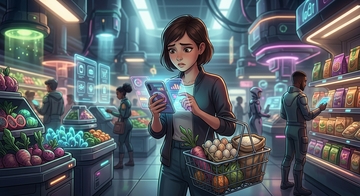
Imagine a shopper needs vegetables, eggs, and rice. Her pay comes next week. She uses a payment plan for today’s order. At first, the smaller bill feels helpful. Then another payment arrives with her rent. She must pay both.
These plans are moving from clothes to daily needs. Before choosing one, check every payment date. Ask, “Can I pay this and buy food again?” A small payment today can create a bigger problem tomorrow.