Slow travel means staying in one town, moving slowly, and not trying to see everything in one trip. Hilton’s 2025 travel report says slow travel is about spending a longer time in one place and enjoying it more like a local person. The same report says 74% of travelers want tips from local people, and 73% say it is important to reduce their impact on the environment when they travel. (stories.hilton.com)
This idea is getting more popular. In April 2025, the OECD said travelers are looking more and more for real local food, local culture, and time with residents. It also said slow tourism can support local communities and good travel practices. The OECD adds that when travel is spread better across the year, local jobs and local services can stay stronger too. (oecd.org)
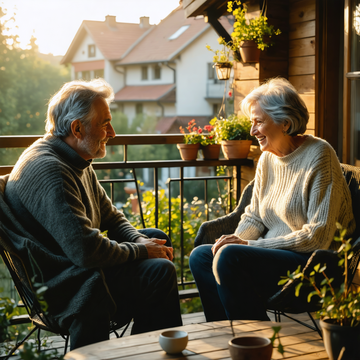
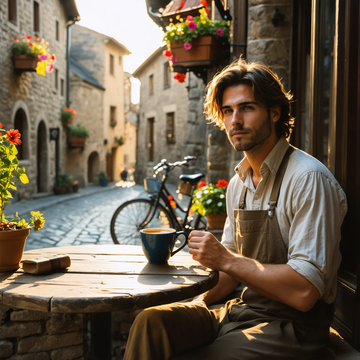
So what does slow travel look like? Imagine you stay in one small town for five days. On the first day, you find a nice bakery. On the second day, you know the road to the station or the river. On the third day, you start to feel relaxed. You are not only taking photos. You are learning the town’s daily life.
Tourism groups are using this idea too. Tourism Ireland ran its “Ireland Unrushed” campaign in June 2025 in more than 13 markets. The campaign showed slower trips by train, boat, food tours, and time in nature and local communities. Tourism Ireland’s 2025 business plan also said its slow-tourism message would support car-free trips and longer time in communities and nature. (tourismireland.com)
Slow travel is nice for English learners too. In one town, you hear the same easy words again and again: “Good morning,” “Thank you,” “This one, please,” and “See you tomorrow.” Little by little, the place feels less strange. That is the charm of slow travel: you visit one town slowly, and the town opens its door to you.