When you walk down a supermarket aisle in 2026, you may notice more breakfast cereals saying “no artificial colors.” This change is happening for several reasons. First, U.S. policy has shifted. On April 22, 2025, HHS and the FDA announced a plan to work with industry to phase out petroleum-based synthetic dyes from the food supply, ask companies to remove six common certified dyes, and speed up approval of natural alternatives. Then, on February 5, 2026, the FDA said companies could have more flexibility to use “no artificial colors” claims when a product does not contain petroleum-based colors, even if it uses colors from natural sources. (fda.gov)
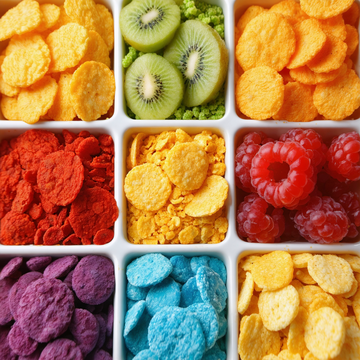
This matters a lot for cereal. Bright cereal pieces and coatings often depend on color. To help companies change recipes, the FDA approved or expanded several natural color options. In May 2025, it approved Galdieria extract blue for uses including breakfast cereal coatings and expanded butterfly pea flower extract for ready-to-eat cereals. In February 2026, it also approved beetroot red and expanded the use of spirulina extract. These steps make it easier for cereal brands to keep products colorful without using petroleum-based dyes. (fda.gov)
Another reason is business pressure. The FDA’s public tracker shows that major cereal sellers and makers have announced plans to remove certified colors. General Mills said it would eliminate certified color additives from all U.S. cereals by summer 2026. WK Kellogg said it would stop launching new products with certified colors in January 2026 and remove them from existing foods by the end of 2027. The tracker also listed Target’s goal to remove certified synthetic colors from all cereal sold in its stores and online by the end of May 2026. (fda.gov)
Finally, labels matter to shoppers. In IFIC’s 2024 Food & Health Survey, 35% of Americans said a “no artificial ingredients/colors” label is one of the top signals that a food is safe when shopping in stores. In the 2025 survey, 41% said they believe both natural and artificial food colors must be labeled on packages. That does not prove all consumers understand the science, but it does show that color claims strongly influence how people feel about food. For cereal companies, “no artificial colors” is not only a recipe change. It is also a way to answer government pressure, retailer demands, and consumer expectations. (ific.org)