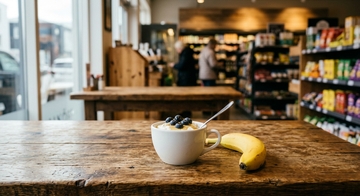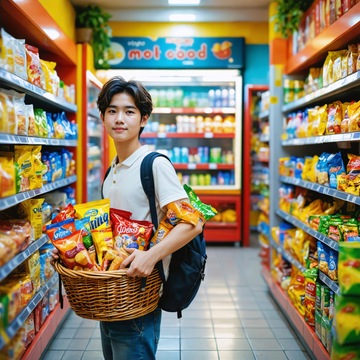
In 2026, many travelers are discovering that the most interesting food experience may not be a famous restaurant table, but a supermarket aisle. American Express calls this trend “snackpacking”: exploring a place through local snacks, bakery items, street food, and grocery-store finds instead of focusing only on big meals. In its 2026 Global Travel Trends Report, 89% of surveyed Millennials and Gen Z said it is important to leave room in their itinerary for local snacks, and 60% of global respondents said they often or always buy food items that are specific to the destination. Half of those respondents also said grocery stores are one of the places they go to find them. (americanexpress.com)
This trend makes sense. A supermarket shows daily life in a very direct way: what people eat for breakfast, which drinks are popular, and what flavors feel normal in that country. American Express describes snackpacking as a way to wander through unfamiliar aisles, compare products, and try the everyday foods that locals actually enjoy. That kind of small discovery can feel more personal than eating only in tourist hotspots. (americanexpress.com)
Other research points in the same direction. Hilton’s 2026 Trends Report found that 77% of travelers enjoy visiting grocery stores abroad, and 48% cook their own meals while away. This suggests that many travelers now want both comfort and curiosity: they may cook something simple in an apartment rental, then add local cheese, fruit, chips, sauces, or sweets to make the meal part of the trip itself. (stories-editor.hilton.com)
Food has always been one of the best ways to understand a place. The OECD notes that food is a key part of culture, helps tourists connect with local life, and can support local economic development when visitor spending stays in the area. So snackpacking is more than a cute travel habit. It reflects a bigger idea: local food culture is not only found in famous restaurants. Sometimes it is waiting in a corner bakery, a market stall, or the snack section of an ordinary neighborhood store. (oecd.org)