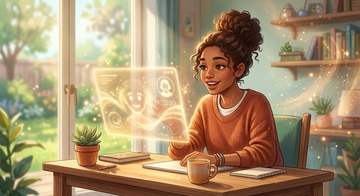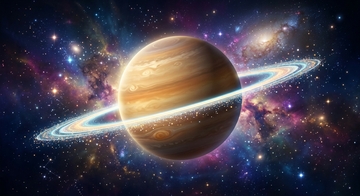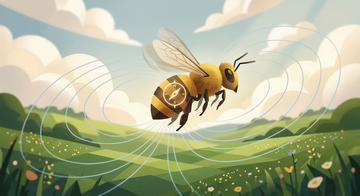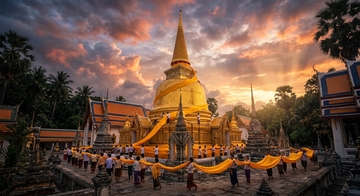
How far has AI image making gone? Very far, and very fast. OpenAI’s newest step is ChatGPT Images 2.0, announced on April 21, 2026. OpenAI says this version is much better at following instructions, using world knowledge, and creating complex images with lots of detail and readable text. This is important because older image AIs were often good at “beautiful pictures,” but weak at useful images such as posters, comics, signs, menus, or study materials with clear words inside them. (openai.com)
The progress did not happen all at once. On March 25, 2025, OpenAI released 4o image generation as the default image generator in ChatGPT. Then, on December 16, 2025, OpenAI introduced a newer Images model and said it had stronger instruction following, more precise editing, improved text rendering, and speeds up to four times faster. ChatGPT Images 2.0 is the next big step in that line. In other words, text-to-image AI is moving from “fun surprise pictures” to “useful visual work.” (openai.com)
For users, the change is easy to see. In ChatGPT, you can make a new image, upload an old image, and edit only one part of it. OpenAI says the tool can add text, add fine details, make the background transparent, and create images in different aspect ratios. It is also available on web, iOS, and Android, and ChatGPT Images 2.0 is available on all tiers. That means more people can use it for school, hobbies, design, and daily communication. (help.openai.com)
One especially interesting feature is “Images with thinking.” OpenAI says this mode can use reasoning and tools during image creation. Its system card says it can even use live web search data, create multiple images from one prompt, and turn a simple request into a more researched final image. For English learners, this is exciting: you can ask for a travel poster, a manga page, or a simple science infographic, and the AI may understand both your words and your goal much better than before. (deploymentsafety.openai.com)
Still, better image AI also means bigger risks. OpenAI says ChatGPT Images 2.0 can create more realistic pictures, so the company uses safety layers to block harmful prompts, harmful input images, and harmful outputs before users see them. So, the answer to the theme question is clear: AI that makes pictures from words has become not only more beautiful, but more accurate, more editable, more useful, and more connected to real knowledge. (deploymentsafety.openai.com)