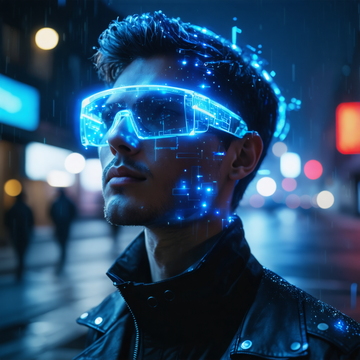
In 2026, the competition over AI smart glasses has become one of the most intriguing battles in consumer technology. On May 19, 2026, Google used its I/O conference to introduce Android XR “intelligent eyewear,” built with Samsung and Qualcomm. Google said the lineup will include two kinds of glasses: audio glasses that deliver spoken assistance and display glasses that can show visual information when needed. The first audio models, created with fashion brands Gentle Monster and Warby Parker, are scheduled to launch in fall 2026. (blog.google)
Google’s strategy is strikingly practical. Rather than promising a futuristic fantasy, it is focusing on everyday usefulness. According to Google, users will be able to ask Gemini about what they see, receive turn-by-turn directions, send texts, take photos and videos, hear real-time translations, and even trigger multi-step tasks such as placing a coffee order through Doordash. The glasses will also work with Android and iOS phones, suggesting that Google wants to build a broad platform, not just a single device. (blog.google)
Meta, however, already has a major head start. EssilorLuxottica reported that more than 7 million AI-glasses units sold in 2025 came from the Meta partnership, including Ray-Ban Meta and Oakley Meta products. Meta has also expanded aggressively: its ecosystem now includes camera-based AI glasses, new Ray-Ban Meta styles designed for prescription wearers, and Meta Ray-Ban Display, a higher-end model with a full-color in-lens display and a wristband that uses EMG signals for control. Meta says these display glasses can show messages, translations, and navigation information without requiring users to pull out a phone. (essilorluxottica.com)
What makes this rivalry so fascinating is that both companies seem to have reached the same conclusion: smart glasses will only succeed if they are stylish, comfortable, and genuinely helpful in daily life. Google is betting on Gemini and the Android ecosystem; Meta is betting on its sales momentum and deep partnerships with eyewear giants. In other words, this is not just a hardware contest. It is a race to decide whose AI will become the most natural companion in the physical world. (blog.google)