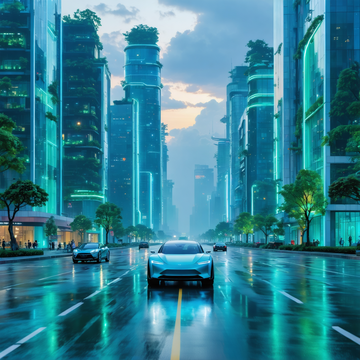
Can electric cars really change the air people breathe? In China, the latest research suggests they can. China is now the world’s biggest electric-car market. The International Energy Agency says the country sold more than 11 million electric cars in 2024, and almost half of all new car sales were electric. On a monthly basis, electric-car sales in China have been higher than sales of conventional cars since July 2024. (iea.org)
A study published in Nature Health on May 13, 2026 looked at 150 Chinese cities between 2013 and 2023. The researchers used satellite data and machine-learning methods to estimate how the rise of new energy vehicles affected urban air pollution. They found that by 2023, these vehicles had lowered PM2.5, tiny particles in the air, by 23.80%, and carbon monoxide by 30.67%. (nature.com)
The biggest result was about health. The study estimated that cleaner air prevented about 262,000 non-accidental premature deaths. However, not every pollutant fell by the same amount. Nitrogen dioxide and larger particles dropped less, and the health benefits were stronger in richer, more developed cities. The authors say China could gain even more by electrifying heavy-duty diesel vehicles and by giving more support to less-developed regions. (nature.com)
So, did EVs change the air in China? The honest answer is: partly, but in a very important way. They did not solve every pollution problem, yet the evidence shows that fewer gasoline and diesel vehicles on city roads can save many lives. This makes the story of EVs more than a business or technology story. It is also a human health story. (nature.com)