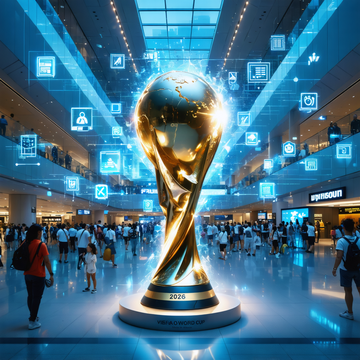
Hosting the World Cup usually sends a simple message: everyone is welcome. But the 2026 tournament has shown that travel to the United States can feel less simple. The competition runs from June 11 to July 19, 2026, across 16 host cities in Canada, Mexico, and the U.S., with 11 of those cities in the United States. That scale should create a huge festival of sport and tourism. Instead, it has also started a serious debate about who feels safe, prepared, and truly invited. (gpcustomersupportfwc2026.tickets.fifa.com)
In April 2026, Amnesty International and dozens of U.S. civil and human rights groups issued a World Cup travel advisory for the United States. They warned visitors about aggressive immigration enforcement, the possibility of detention, and phone or social media searches at the border. Tourism leaders strongly disagreed, saying the warning exaggerated the risk and could damage the livelihoods of hotel, restaurant, and transport workers. Still, the issue did not remain theoretical: in June, Somali referee Omar Artan was denied entry at Miami International Airport, and U.S. Customs and Border Protection said he was inadmissible because of vetting concerns. (apnews.com)
At the same time, officials have tried to make travel easier for genuine fans. The White House created a World Cup task force, and FIFA says ticket holders traveling to the U.S. can use the FIFA PASS system to seek prioritized visa interviews. Yet official travel advice shows how careful the journey has become. The U.K. government’s World Cup page says some travelers may need proof of onward travel and accommodation, should expect very busy cities, and may face local restrictions if protests lead authorities to impose curfews or emergency orders. (whitehouse.gov)
So what changes when a trip is described as welcoming but also comes with warnings? In effect, hospitality becomes more bureaucratic. Fans may still dream about unforgettable matches, but they are also being told to prepare documents, follow official updates, and think about risk as well as excitement. The World Cup remains a global celebration, but in America in 2026, the idea of being “welcome” seems to come with an unusually long checklist. (apnews.com)