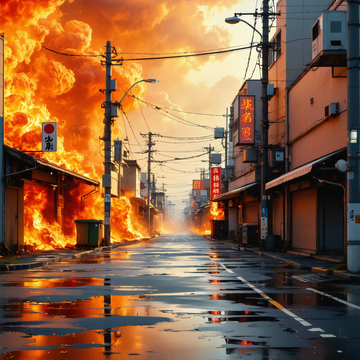
In Japan, people already use special weather words for hot days: natsubi for 25°C or higher, manatsubi for 30°C or higher, and moshobi for 35°C or higher. Now there is a new word to learn: kokushobi. On April 17, 2026, the Japan Meteorological Agency officially chose kokushobi for days when the highest temperature reaches 40°C or more. The agency said a new name was needed because temperatures above 40°C have been observed almost every year in recent summers. (jma.go.jp)
This word did not start in a government office. The Japan Weather Association began using kokushobi in August 2022 to warn people about extreme heat and the danger of heatstroke. In early 2026, the JMA held a public survey, and kokushobi received the most support. The JMA then adopted it as an official forecast term, saying it was already familiar and suitable Japanese. (jwa.or.jp)
The new name is not only about language. It is also a warning. The Japan Weather Association says 2026 may bring kokushobi conditions to about 7 to 14 locations across the country, and eastern and western Japan could face severe heat from early in the summer season. So if you hear the word kokushobi on the news, it means more than “very hot.” It means dangerous heat that can affect daily life, work, and health. (jwa.or.jp)
How can people prepare? Japan’s Health Ministry advises people to use air conditioning, choose cool places such as shaded areas or air-conditioned rooms, and drink water early and often. It also says salt is important, especially when you sweat a lot. The Environment Ministry recommends checking the WBGT heat index, a measure used to judge heat risk. According to the ministry, heat illness cases increase sharply when WBGT goes above 28. In short, kokushobi is a new word, but its message is simple: watch the forecast, respect the heat, and protect your body. (mhlw.go.jp)