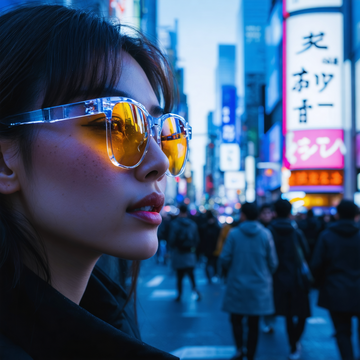
Ray-Ban Meta has finally arrived in Japan. Meta and EssilorLuxottica began sales on May 21, 2026. Japanese customers can buy sunglasses and also frames for prescription lenses. Prices start at ¥73,700 for Ray-Ban Meta (Gen 2), while prescription-ready Ray-Ban Meta Optics start at ¥82,500. Meta says Japan is an important market because glasses are already a normal part of everyday life for many people. (about.fb.com)
These are not just stylish glasses. Ray-Ban Meta (Gen 2) includes a 12-megapixel ultra-wide camera, 3K video recording, open-ear speakers, hands-free calling and messaging, and voice control with “Hey Meta.” Meta says the battery can last up to 8 hours, depending on use. The company also says the product has sold millions of units worldwide and is the world’s best-selling AI glasses. That is a strong sign that AI glasses are moving from a small tech idea into a real consumer product. (about.fb.com)
So, can AI glasses become the next standard device after the smartphone? They do have one big advantage: they are always on your face, not hidden in your pocket. You can ask a question, take a photo, or listen to audio without stopping to look at a screen. Meta has also connected its new Meta AI app to the glasses, so users can continue conversations between the glasses, the app, and the web. (about.fb.com)
Still, “next standard” does not mean “smartphone replacement” yet. Ray-Ban Meta requires a Meta account, the Meta AI app, and a compatible smartphone. Some AI features are also limited by country and language. In Japan, Meta’s own FAQ says deeper AI use on the glasses may require English, and Live AI is only available in English for now, with Japan timing still undecided. So the future looks promising, but for now AI glasses seem more like a smart helper than the new king of personal tech. (ray-ban.com)