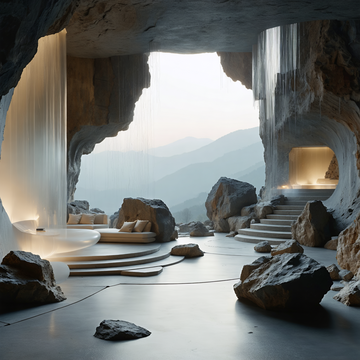
The 2026 Pritzker Architecture Prize went to Chilean architect Smiljan Radić Clarke, the 55th laureate of the award. What makes this choice especially interesting is the jury’s language: they praised architecture that accepts imperfection and fragility, offers “quiet shelters,” and does not need to become louder or more spectacular in order to matter. In other words, this year’s prize celebrates the power of quiet architecture. (pritzkerprize.com)
Radić’s work is not mainly about instant visual shock. The Pritzker jury says his buildings are not just objects to look at; they ask for “embodied presence,” meaning that people must walk through them, feel their materials, and experience their atmosphere. The official citation also describes his work as having a “quiet emotional intelligence.” That idea is clear in House for the Poem of the Right Angle in Vilches, Chile, which the prize site says encourages stillness and introspection through carefully placed openings that catch light and time. (pritzkerprize.com)
His famous 2014 Serpentine Pavilion in London shows the same attitude. It was a semi-translucent, shell-like structure resting on large quarry stones, inspired by old garden follies. Radić explained that the pavilion aimed to feel both heavy and fragile at once, with an interior organized around an empty patio and a soft glow at night. This is a perfect example of architecture that attracts attention without shouting. (serpentinegalleries.org)
There is also something meaningful in the scale of his practice. The Pritzker site notes that he founded his studio in Santiago in 1995 and has kept it intentionally intimate. Early in his career, he and his wife, sculptor Marcela Correa, even built a tiny 24-square-meter house by hand in the Andes. That background helps explain why his architecture often feels personal, careful, and deeply human. (pritzkerprize.com)
In a world full of noisy images and attention-seeking buildings, the 2026 Pritzker Prize suggests a different future: architecture can be modest, vulnerable, and slow—and still be unforgettable. (pritzkerprize.com)