Europe is still welcoming travelers, but in many famous places, “just go and see what happens” is no longer the best plan. Cities and islands that receive huge numbers of visitors are changing their rules to protect local life, old buildings, and crowded streets. For travelers, this means one important thing: a European trip now often needs more planning than before. (ajuntament.barcelona.cat)
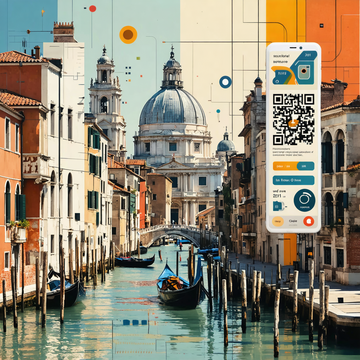
Venice is one of the clearest examples. In 2026, the city’s access fee applies on 60 selected days between April 3 and July 26. In general, day visitors over the age of 14 must pay, register online, and carry a QR code for checks. The city says overnight guests are exempt from payment, but they still fall under registration rules. If a visitor breaks the rule, the fine can be much higher than the fee itself. In other words, a simple day trip to Venice now feels a little more like entering a special event. (comune.venezia.it)
Other destinations are also tightening control. Amsterdam’s tourist tax is 12.5% of the overnight price, and cruise operators pay a €15 day tourist tax per passenger. In Greece, the Acropolis uses timed-entry tickets, so visitors must choose a time slot instead of arriving freely. Santorini has gone even further for cruise tourism: its port policy says the island will accept no more than 8,000 cruise passengers in one day in 2026. These rules are designed to spread visitors out and reduce pressure on very busy places. (amsterdam.nl)
Barcelona shows that the changes are not only about tickets and taxes. The city says that by November 2028, tourist apartments will disappear, and it is also studying higher tourist taxes and extra charges on short-stay cruises. The message from Europe is becoming clear: tourists are still wanted, but mass tourism is not. For travelers, the smart approach is simple—book early, check official city rules, and be ready for a trip that is more organized, but also more sustainable. (ajuntament.barcelona.cat)