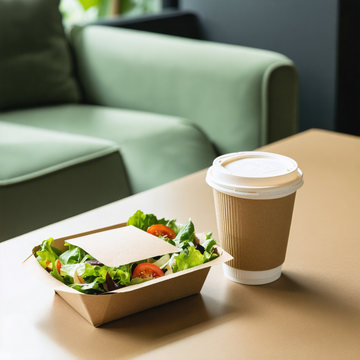
Have you ever bought lunch and noticed the cup feels different? Maybe the box is paper, not foam. It seems small. But in California, that tiny change connects to a big new rule about plastic packaging. (calrecycle.ca.gov)
On May 1, 2026, California’s permanent SB 54 regulations took effect. The law covers single-use packaging and plastic food service ware. It puts more responsibility on producers, the companies that make or package products. By 2032, those producers must cut single-use plastic by 25 percent, make all covered packaging recyclable or compostable, and make sure 65 percent of plastic packaging and food service ware is actually recycled. (calrecycle.ca.gov)
Now picture Aya stopping at a store after work. She grabs a cold drink and a takeout salad. A few years ago, the container might have been foam. But foam food service ware, called EPS, has faced statewide sales and distribution restrictions since January 1, 2025, because producers did not show the required 25 percent recycling rate. CalRecycle says shoppers may notice less foam in stores and restaurants, and more alternatives instead. (calrecycle.ca.gov)
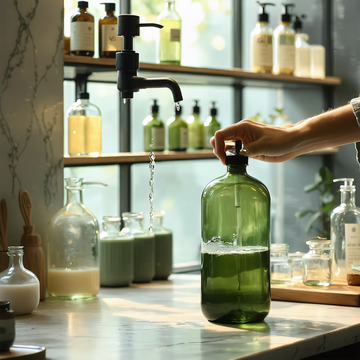
Here is the interesting part, though. Shopping may not change all at once. The biggest changes happen in the package itself. The state’s plan points to less material, more reusable or refillable systems, better access to recycling and composting, and clearer rules for words like “recyclable” and “compostable.” California says these reforms are meant to simplify recycling and rebuild trust in what labels mean. (calrecycle.ca.gov)
So next time your takeout cup looks different, or your package has less plastic, it may not be random. It may be California quietly changing shopping from the outside in. Sometimes a new law does not start at the cash register. It starts with the wrapper in your hand. (calrecycle.ca.gov)