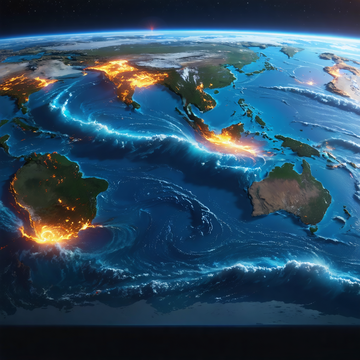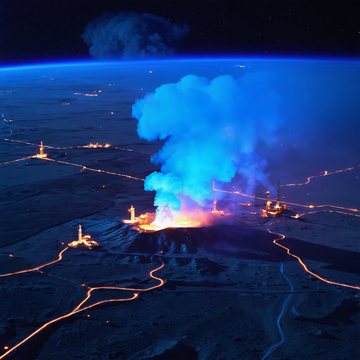
How can a leak you cannot smell be seen from space?
If your gas stove at home leaked, you would want to know right away. Now imagine the same problem at an oil field, far from any town, with no one close enough to notice. That is where methane satellites come in. Methane is invisible, but it matters a lot: the IEA says it is responsible for about 30% of the rise in global temperature since the Industrial Revolution, and because it stays in the atmosphere for only about 12 years, cutting it can slow warming relatively fast. (iea.org)
Now let’s make this concrete. In Algeria, a methane alert from UNEP’s Methane Alert and Response System, or MARS, helped lead to the repair of a leak that had lasted for decades. MARS uses data from more than 30 satellite instruments to spot very large methane releases and notify governments and operators. (unep.org)
Here is the surprising turn. We are getting better and better at seeing the leaks, but not always at stopping them. The IEA says satellites detected more than 5 million tonnes of methane from very large oil and gas emission events in 2025. UNEP says MARS has issued more than 5,000 alerts across 33 countries and documented over 40 mitigation cases. But in 2025, only about one in eight MARS alerts received a response. (iea.org)
So, can satellites stop methane leaks? Not by themselves. A satellite can reveal the problem, but people still have to inspect the pipe, replace the seal, or change the rules. The hopeful part is that the IEA estimates around 70% of fossil-fuel methane emissions can be cut with existing technology, and much of that can be reduced at no net cost. (iea.org)
So maybe the real mystery is no longer where the methane is. The real mystery is why, now that we can see it, we still wait to act.