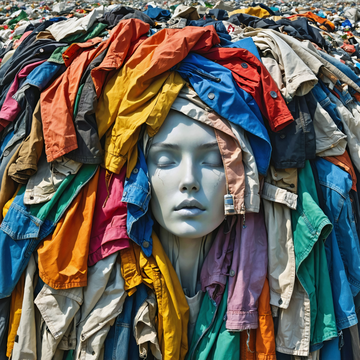
When a T-shirt is cheaper than lunch, someone usually pays the hidden cost. Across Europe, leaders are trying to slow “ultra-fast fashion,” a business model that pushes huge numbers of very cheap new styles onto the market. France is now one of the strongest voices in this fight. On June 24, 2026, the French National Assembly approved a compromise bill on the textile industry. The text would allow extra waste fees on ultra-fast fashion products, in some cases up to half of the product’s price. It would also require some platforms to show messages about reuse and recycling, and it would ban advertising for ultra-fast fashion. France’s Senate was scheduled to examine the same text on June 29, 2026. (assemblee-nationale.fr)
The reason is simple: cheap clothes create a lot of waste. The European Commission says about 5 million tonnes of clothing are thrown away in the EU each year, or around 12 kilograms per person. Only about 1% of clothing material is recycled into new clothing. Europe also says that 4% to 9% of unsold textiles are destroyed before anyone wears them, and this creates about 5.6 million tonnes of CO2. (environment.ec.europa.eu)
This is not only a French idea. EU rules say large companies must stop destroying unsold clothes, shoes, and accessories from July 19, 2026. Another EU waste law, which entered into force on October 16, 2025, requires each member state to set up a system in which textile producers help pay for the collection and treatment of used clothes. In short, Europe wants companies to take more responsibility for the waste they create. (environment.ec.europa.eu)
There are also worries about safety and shopping pressure. In France, officials said 46% of products checked on seven popular foreign marketplaces were unsafe or did not follow the rules, and more than 100,000 products were flagged for removal. At the EU level, Shein was told in 2025 to answer concerns about fake discounts and misleading sustainability claims, and in February 2026 the European Commission opened a separate investigation into illegal products and addictive design. For shoppers, the message is clear: “too cheap” may not be a real bargain after all. (presse.economie.gouv.fr)