After hard training or exercise, you may feel pain in your muscles. This pain is called DOMS, or Delayed Onset Muscle Soreness. It is not just being tired. When you work out, small damage happens to your muscle fibers, and this makes you feel sore. The pain is strong after exercises like walking down stairs or putting heavy things down slowly. You do not feel the pain right after exercise. It starts 12 to 24 hours later, and it is the worst 24 to 72 hours after your training. To feel better, do not stop moving completely. You can help your body by doing light exercise, like slow walking or a soft stretch. This is called active rest, and it helps your blood move and makes the pain easier. If your muscles hurt a lot, take it easy and use a light menu. Listen to your body, because hard training can damage your muscles more. Food is also very important for recovery. Eat carbohydrates after exercise to get your energy back. Eat protein to repair your muscles. Carbohydrates and protein together help your body become strong again. Do not forget to drink water too, because water helps your body work well. Muscle pain is a sign that your body is becoming stronger. With good food, rest, and light exercise, you can recover and build up strength for the next step.

燃える痛みを克服しよう:筋肉痛から回復するためのスマートガイド
Beat the Burn: Your Smart Guide to Bouncing Back from Muscle Soreness
ハードなトレーニングや運動の後、筋肉に痛みを感じることがあります。この痛みは「DOMS」、つまり「遅発性筋肉痛(Delayed Onset Muscle Soreness)」と呼ばれます。これは単なる疲れではありません。運動をすると、筋繊維に小さな損傷が起こり、それによって痛みを感じるのです。痛みは、階段を下りたり、重い物をゆっくり下ろしたりするような運動の後に強く現れます。痛みは運動直後には感じません。12〜24時間後に始まり、トレーニングの24〜72時間後に最もひどくなります。回復を早めるためには、完全に動くのをやめないことです。軽いウォーキングや軽いストレッチのような軽い運動をすることで、身体を助けることができます。これは「アクティブレスト(積極的休養)」と呼ばれ、血流を促進し、痛みを和らげるのに役立ちます。筋肉がひどく痛む場合は、無理をせず、軽めのメニューにしましょう。ハードなトレーニングは筋肉をさらに傷つける可能性があるので、身体の声に耳を傾けてください。食事も回復にとって非常に重要です。運動後は炭水化物を摂って、エネルギーを取り戻しましょう。タンパク質を摂って、筋肉を修復しましょう。炭水化物とタンパク質を一緒に摂ることで、身体を再び強くするのに役立ちます。水分補給も忘れないでください。水は身体がうまく機能するのを助けてくれます。筋肉痛は、あなたの身体が強くなっているサインです。良い食事、休息、そして軽い運動によって、回復し、次のステップに向けて力をつけることができます。
文法
- ●Passive voice (be + past participle)
「〜される」という受け身の形です。be動詞 + 過去分詞で作ります。動作をする人より、される側に注目したいときに使います。
e.g. Muscle soreness is called DOMS.
訳: 筋肉痛はDOMSと呼ばれます。
- ●To-infinitive of purpose (〜するために)
「〜するために」と目的を表すときに、to + 動詞の原形を使います。文の後半によく置かれます。
e.g. Eat protein to repair your muscles.
訳: 筋肉を修復するためにタンパク質を食べましょう。
- ●By + -ing (手段の表現)
「〜することによって」と方法や手段を表すときに、by + 動名詞(-ing)を使います。
e.g. You can recover faster by eating well and resting.
訳: よく食べて休むことで、より早く回復できます。
語彙
- ●muscle(名詞)
筋肉
e.g. My muscles hurt after the workout.
訳: 運動の後、筋肉が痛いです。
- ●recovery(名詞)
回復
e.g. Sleep is important for recovery.
訳: 睡眠は回復のために大切です。
- ●damage(名詞/動詞)
損傷、傷つける
e.g. Hard exercise can damage muscle fibers.
訳: 激しい運動は筋繊維を傷つけることがあります。
- ●repair(動詞)
修復する、直す
e.g. Protein helps repair your body.
訳: タンパク質は体を修復するのを助けます。
- ●protein(名詞)
タンパク質
e.g. Eggs have a lot of protein.
訳: 卵にはタンパク質がたくさん入っています。
- ●stretch(動詞/名詞)
伸ばす、ストレッチ
e.g. I stretch my legs every morning.
訳: 毎朝、脚をストレッチします。
- ●rest(名詞/動詞)
休息、休む
e.g. You need rest after training.
訳: トレーニングの後は休息が必要です。
- ●nutrition(名詞)
栄養
e.g. Good nutrition makes you strong.
訳: よい栄養はあなたを強くします。
表現・慣用句
- ●work out
運動する、ジムで体を鍛える
e.g. I work out three times a week.
訳: 私は週に3回運動します。
- ●warm up / cool down
運動前に体を温める/運動後に体をクールダウンさせる
e.g. Always warm up before you run.
訳: 走る前に必ずウォームアップしましょう。
- ●listen to your body
自分の体の声を聞く、無理をしない
e.g. If you are tired, listen to your body and rest.
訳: 疲れたら、体の声を聞いて休みましょう。
- ●take it easy
無理をしない、ゆっくりやる
e.g. Take it easy when your muscles are sore.
訳: 筋肉痛のときは無理をしないでください。
- ●build up strength
少しずつ力(筋力)をつける
e.g. Walking every day can build up your strength.
訳: 毎日歩くことで力をつけることができます。
作成:2026/06/29 08:15
レベル:初級 (語彙目安:300〜1000語)
タイプ:リーディング
まだ読んでいないコンテンツ

作成:2026/08/25 18:02
レベル:初級 (語彙目安:300〜1000語)

作成:2026/08/25 18:01
レベル:超入門 (語彙目安:〜300語)

作成:2026/08/25 18:01
レベル:中級 (語彙目安:2000〜2500語)

作成:2026/08/25 12:01
レベル:初中級 (語彙目安:1000〜2000語)

作成:2026/08/25 12:00
レベル:初級 (語彙目安:300〜1000語)

作成:2026/08/25 12:00
レベル:超入門 (語彙目安:〜300語)

作成:2026/08/25 07:01
レベル:初級 (語彙目安:300〜1000語)

作成:2026/08/25 07:00
レベル:超入門 (語彙目安:〜300語)
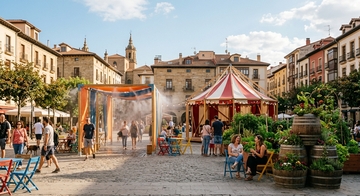
コンセントリコ:街を変える小さなフェスティバル
Concéntrico: A Small Festival That Changes a City
作成:2026/08/25 07:00
レベル:中級 (語彙目安:2000〜2500語)

作成:2026/08/24 18:01
レベル:超入門 (語彙目安:〜300語)